Japanese pens have built a global reputation for precision, reliability, and consistently well-engineered refill systems — qualities that matter as much in an office as they do in a classroom. But choosing a pen for work isn’t quite the same exercise as choosing one for everyday writing. A pen that’s ideal for casual note-taking can fall short in a professional context, where dry time, comfort over long stretches of writing, refill availability, and how the pen looks on a desk or in a meeting all factor into the decision.
Work environments also put pens through a different kind of daily wear than casual use does. A pen might get borrowed and not returned, sit uncapped through a long meeting, or need to perform reliably on whatever paper happens to be on hand — printer paper, carbon forms, glossy brochures. For people working long shifts, moving between workstations, or switching constantly between typing and handwriting, small frictions like a slow-drying ink or an uncomfortable grip add up over a full workday in a way they might not during occasional home use.
This guide compares seven Japanese pens specifically through that lens, based on published manufacturer specifications and established product characteristics. Rather than ranking them 1 through 7 on a single scale, each pick is matched to a specific work scenario — fast note-taking, long writing sessions, client meetings, or minimal everyday carry — since the “best” work pen depends heavily on what your workday actually looks like. None of the assessments below assume hands-on testing; they’re based on manufacturer data, established product reputations, and aggregated user feedback.
Quick Comparison
| Pen | Type | Best For | Ink / Refill | Comfort | Typical Price Range |
|---|---|---|---|---|---|
| Uni Jetstream | Ballpoint | Overall reliability | Low-viscosity oil-based, widely available refills | Standard | $2–3 |
| Zebra Sarasa Grand | Gel | Professional appearance | Rapid Dry gel ink, Sarasa-compatible refills | Weighted, substantial | $10–24 |
| Pilot Acroball | Ballpoint | Fast writing | Hybrid low-viscosity ink | Textured grip | $2–3 |
| Pentel EnerGel | Liquid gel | Smooth long-form writing | Fast-drying liquid gel, broad refill ecosystem | Cushioned grip | $3–4 |
| Pilot Dr. Grip | Ballpoint | Long writing sessions | Standard/hybrid ink, refillable | Ergonomic double-layer grip | $8–15 |
| Uni-ball One | Gel | Minimalist daily use | Dark pigment gel ink | Lightweight | $2–3 |
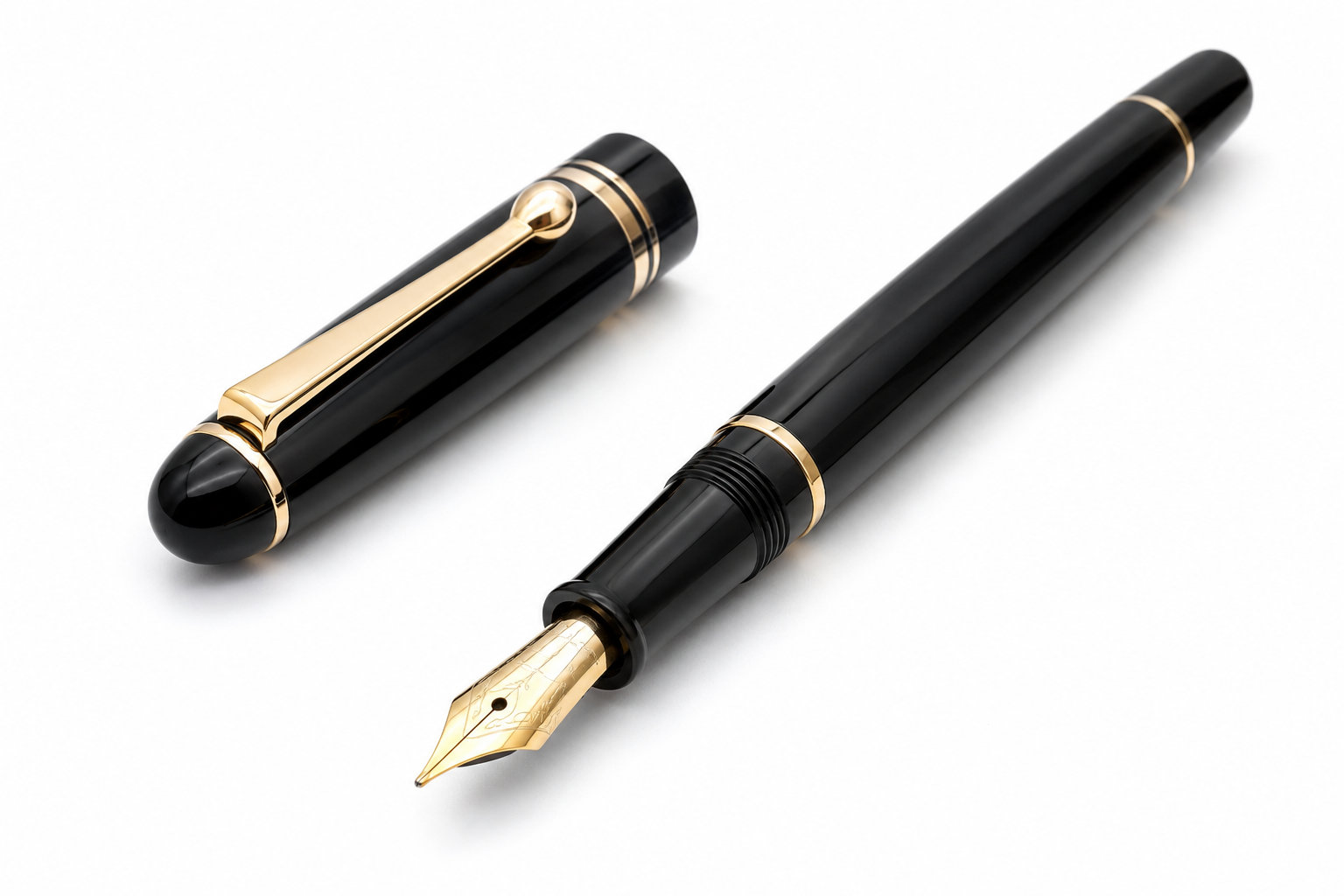
| Pilot Metropolitan | Fountain pen | Premium/executive use | Cartridge/converter, bottled ink compatible | Metal body, moderate | $20–25 |
Prices vary by retailer, color, and whether the pen is sold individually or in a multi-pack.
Best Japanese Pens for Work
Uni Jetstream — Best Overall
Best for: Everyday office writing, documents, and general reliability
Why we picked it: The Jetstream’s low-viscosity oil-based ink is widely regarded as one of the smoothest-writing ballpoint formulas available, while retaining the fast-drying, smudge-resistant properties that make ballpoints practical for signing and handling documents shortly after writing.
Key strengths:
- Fast-drying, water- and fade-resistant ink suited to official paperwork
- Smooth, low-resistance writing feel that reduces hand fatigue over a workday
- Refills are widely available, minimizing downtime when a pen runs dry
Potential drawbacks: The standard plastic body is functional but unremarkable in appearance, which may matter for anyone using their pen visibly in client-facing settings.
Who should buy it: Office workers who want one dependable pen for the majority of daily writing tasks — memos, forms, signatures, and general note-taking.
Zebra Sarasa Grand — Best Gel Pen
Best for: Meetings and note-taking where a professional appearance matters
Why we picked it: The Sarasa Grand pairs Zebra’s smooth, vivid gel ink with a weighted metal (brass or aluminum) body, giving it a noticeably more polished feel and appearance than standard plastic gel pens, while remaining refillable and reasonably priced for a metal-bodied pen.
Key strengths:
- Rapid Dry Ink technology reduces smudging on both notes and documents
- Metal body offers a substantial, professional feel well suited to meetings
- Available in multiple tip sizes (0.4mm, 0.5mm, 0.7mm) and finishes
Potential drawbacks: The added weight of the metal body won’t suit every hand or writing style, and it costs meaningfully more than a standard plastic gel pen.
Who should buy it: Professionals who take frequent notes in meetings and want a pen that looks and feels the part on a conference table.
Pilot Acroball — Best for Fast Writing
Best for: Rapid note-taking and high-volume daily writing
Why we picked it: Acroball’s low-viscosity hybrid ink is engineered to flow with minimal resistance, making it a practical choice for anyone who needs to write quickly and legibly without the ink lagging behind fast strokes.
Key strengths:
- Smooth ink flow supports quick, high-volume writing
- Textured, tire-tread-inspired grip offers stable control at speed
- Affordable enough to keep several on hand across a desk or bag
Potential drawbacks: The standard body design is plain, and it lacks the refined appearance of pricier options on this list.
Who should buy it: Anyone who takes rapid notes throughout the day — in meetings, on calls, or moving between tasks — and prioritizes writing speed over polish.
Pentel EnerGel — Best for Smooth Writing
Best for: Long-form notes and documents requiring a smooth, consistent line
Why we picked it: EnerGel’s liquid gel ink formula is designed to combine the fast-drying properties of liquid ink with a smoother, more consistent flow than a standard ballpoint, making it well suited to longer stretches of writing.
Key strengths:
- Fast-drying ink reduces smudging on longer documents
- Smooth, consistent line quality across extended writing sessions
- Broad refill ecosystem, including needle-tip and standard options
Potential drawbacks: The liquid gel ink formula feels distinct from both traditional ballpoint and pigment gel ink, which may take some adjustment for pen loyalists used to one or the other.
Who should buy it: Professionals who regularly write longer documents, reports, or detailed notes and want a pen that stays smooth and legible throughout.
Pilot Dr. Grip — Best for Long Writing Sessions
Best for: Extended writing without hand fatigue
Why we picked it: The Dr. Grip’s double-layered rubber grip — a firm outer layer over a softer inner layer — was specifically engineered to reduce hand fatigue, and the design has earned an Ease-of-Use Commendation from the Arthritis Foundation.
Key strengths:
- Ergonomic grip designed specifically to reduce fatigue over long sessions
- Optimized weight balance for extended writing
- Refillable, extending the pen’s usable life well beyond a single cartridge
Potential drawbacks: The larger, cushioned barrel is bulkier than slimmer everyday pens, which may feel less discreet in a shirt pocket or slim bag.
Who should buy it: Anyone whose job involves writing for extended, uninterrupted stretches — detailed note-taking, long-form documentation, or repetitive daily writing tasks.
Uni-ball One — Best Minimalist Option
Best for: Lightweight, no-frills everyday carry
Why we picked it: The Uni-ball One is known for a notably dark, high-contrast ink in a simple, understated barrel — a practical choice for anyone who wants reliable performance without a bulky or decorative design.
Key strengths:
- Notably dark, high-contrast black ink improves legibility on documents
- Lightweight barrel suited to all-day carry
- Smooth writing feel without the added bulk of a metal-bodied pen
Potential drawbacks: The minimalist design and narrower color range mean it doesn’t stand out visually the way a metal pen like the Sarasa Grand does.
Who should buy it: Professionals who prioritize simplicity and legibility over appearance, and who want a pen that’s easy to carry without adding weight or bulk.
Pilot Metropolitan — Best Premium Option
Best for: Executive desk use and gifting
Why we picked it: As a genuine entry-level fountain pen with a metal body, the Metropolitan offers a more distinctive, premium writing experience than any ballpoint or gel pen on this list, making it a strong choice for desk use or as a professional gift.
Key strengths:
- Metal body and fountain pen nib offer a more premium look and feel
- Compatible with the same converters used by Pilot’s higher-end Custom line
- Works well as a desk pen or a thoughtful gift for a colleague or client
Potential drawbacks: Fountain pens require more maintenance than ballpoints or gel pens — periodic cleaning, careful ink handling, and more caution when misplaced — which may not suit a fast-paced or high-loss work environment.
Who should buy it: Professionals who primarily write at a desk, or who want a distinctive pen for signing documents, gifting, or occasions where appearance matters more than everyday practicality.
Which Pen Fits Your Work Style?
| Work Style | Recommended Pen |
|---|---|
| Fast note-taking | Jetstream / Acroball |
| Long writing sessions | Dr. Grip / EnerGel |
| Meetings | Sarasa Grand |
| Minimal everyday carry | Uni-ball One |
| Executive / desk use | Pilot Metropolitan |
How to Choose a Japanese Pen for Work
Ink Type
Ballpoint pens, particularly low-viscosity options like the Jetstream and Acroball, offer the most reliable balance of smoothness and fast dry time for everyday office use. Gel pens, including the Sarasa Grand and Uni-ball One, generally write more smoothly and with more vivid, legible ink, though some formulas take slightly longer to fully dry. Fountain pens, represented here by the Metropolitan, offer the most distinctive writing experience but require more ongoing care than either alternative. For most office tasks — filling out forms, quick notes, signing documents — a fast-drying ballpoint or gel pen is the more practical default, with a fountain pen reserved for desk use or occasions where the writing experience itself matters more than pure convenience.
Drying Time
Dry time matters more than it might seem in a work context — for left-handed writers whose hand naturally drags across freshly written lines, for anyone taking rapid notes during a meeting, and for documents that get handled or filed shortly after writing. Fast-drying formulas like the Jetstream’s low-viscosity ink and EnerGel’s liquid gel are worth prioritizing in any of these situations. This becomes especially relevant in shared or high-turnover work environments, where a document might be picked up, stacked, or scanned within seconds of being signed — a slow-drying pen risks smudged signatures or smeared handwriting in exactly the moments where legibility matters most.
Comfort
Anyone writing for extended, uninterrupted periods — detailed reports, dense meeting notes, repetitive daily documentation — benefits from a pen with a dedicated ergonomic grip, like the Dr. Grip’s double-layered design, over a standard slim barrel. This matters even more for people working long shifts or moving between workstations throughout the day, where a poorly balanced or overly narrow pen can contribute to hand fatigue that compounds over repeated writing sessions rather than a single sitting.
Refill Availability
For a pen used daily at work, refill availability is a genuinely practical concern. Pens using widely available refill formats — the Jetstream, Acroball, and Sarasa Grand all fall into this category — mean less downtime and easier restocking than pens using more specialized or harder-to-find cartridges. This is particularly relevant in office settings where supply orders happen on a schedule rather than on demand; a pen that requires a specialty refill can sit unusable for days if the right cartridge isn’t already on hand.
Professional Appearance
For client-facing roles or frequent meetings, how a pen looks matters alongside how it writes. Metal-bodied options like the Sarasa Grand or Pilot Metropolitan offer a more polished appearance than standard plastic pens, which can matter more in some work settings than others. A pen pulled out during a client meeting or used to sign a contract carries a small but real impression, and for some roles — sales, client services, executive positions — that visual detail is worth factoring into the decision.
Price
It’s worth weighing price against the realities of a work environment where pens are frequently lent out, left behind, or lost between desks and meeting rooms. A premium pen isn’t always the most practical choice in a setting with a high pen turnover rate — for those environments, an affordable, reliable option like the Jetstream or Acroball may serve better than an expensive pen that’s likely to go missing. Reserving a premium pen like the Sarasa Grand or Metropolitan for a desk drawer, rather than carrying it into every meeting, is one practical way to balance appearance against the realistic risk of loss.
Frequently Asked Questions
What is the best Japanese pen for office work?
The Uni Jetstream is generally the safest all-around choice for office work, offering smooth, fast-drying ink and reliable performance across most everyday writing tasks, from notes to documents.
Are gel pens good for professional use?
Yes. Gel pens like the Zebra Sarasa Grand and Uni-ball One offer smooth, legible ink and — in the case of metal-bodied options — a professional appearance well suited to meetings and client-facing settings.
What Japanese pen is best for long writing sessions?
The Pilot Dr. Grip is specifically designed for long writing sessions, with an ergonomic double-layered grip engineered to reduce hand fatigue over extended use.
Are Japanese ballpoint pens better for work?
Not necessarily better, but Japanese ballpoints like the Jetstream and Acroball offer a reliable combination of fast-drying ink and smooth writing that suits high-volume daily office use particularly well.
Which Japanese pen looks most professional?
Metal-bodied pens like the Zebra Sarasa Grand and Pilot Metropolitan generally offer the most polished, professional appearance among the options on this list, making them well suited to meetings, client interactions, or desk use.
Is it worth buying a more expensive pen for work, or should I stick with something affordable?
This depends heavily on your specific work environment. In settings with a high pen turnover — shared desks, frequent lending, busy front-of-house roles — an affordable, reliable pen like the Jetstream or Acroball is generally the more practical choice, since the risk of losing a pen is high. In more controlled settings, like a personal desk or executive office, a premium option like the Sarasa Grand or Metropolitan can be a worthwhile investment in both writing experience and appearance.
Can I use the same pen for both fast note-taking and formal documents?
Yes, though some pens handle this dual role better than others. Fast-drying, smooth-writing ballpoints like the Jetstream are generally versatile enough to move between rapid notes and more formal writing without a noticeable drop in performance, making them a reasonable single-pen solution for workers who don’t want to switch pens between tasks.
This article is an independent, research-based buying guide. Recommendations are based on published manufacturer specifications, established product characteristics, and aggregated user feedback rather than first-hand testing, and are intended to help you compare options for professional and office use.
For a broader look at Japanese pens beyond work-specific use, see our guides to best Japanese pens, best Japanese ballpoint pens, best Japanese gel pens, best pens for students, and best Japanese fountain pens.