Japanese premium gifts tend to share a specific quality: they combine genuine utility with visible craftsmanship, rather than leaning on branding or packaging alone to justify the price. A well-chosen Japanese gift usually does something — writes, cuts, brews, pours — while also carrying material or technique that sets it apart from a mass-market equivalent.
This guide compares eleven premium Japanese gifts across writing instruments, kitchenware, traditional crafts, and desk accessories, based on published manufacturer and craft-region documentation rather than price alone. A higher price tag doesn’t automatically mean a better gift here — what matters is matching craftsmanship, practicality, and presentation to the specific recipient and occasion. Throughout, we distinguish between products confirmed as made in Japan, Japanese brands whose manufacturing varies by model, and traditional crafts where even the raw materials sometimes come from outside Japan despite the technique itself being a genuine, regionally protected Japanese craft.
Quick Picks
- Best Overall: Pilot Custom 823
- Best Luxury Writing Gift: Pilot Custom Urushi
- Best for Home Cooks: Premium Japanese Chef Knife (Tojiro DP)
- Best Traditional Gift: Nambu Ironware
- Best Decorative Gift: Edo Kiriko
- Best Professional Gift: Premium Desk Accessory (Midori Brass)
- Best for Collectors: Sailor King of Pen
Comparison Table
| Gift | Best For | Category | Japanese Craft Element | Practicality | Typical Price Tier |
|---|---|---|---|---|---|
| Pilot Custom 823 | Everyday luxury writing | Fountain pen | Vacuum-fill engineering, 14K gold nib | High | Premium |
| Pilot Custom Urushi | Statement/heirloom gift | Fountain pen | Hand-applied urushi lacquer | Moderate | Luxury |
| Sailor King of Pen | Pen collectors | Fountain pen | Largest Sailor gold nib | Moderate | Luxury |
| Tojiro DP Gyuto | Home cooks | Chef knife | VG-10 clad steel | High | Premium |
| Knife + Whetstone Set | Practical cooking gift | Chef knife + maintenance tool | Steel + sharpening craft | High | Premium |
| Nambu Ironware | Traditional home gift | Cast ironware | Hand-cast, 400-year regional craft | Moderate-high | Premium to High Premium |
| Tsubame-Sanjo Copperware | Craftsmanship gift | Kitchenware | Hand-hammered (tsuiki) technique | High | High Premium |
| Edo Kiriko | Decorative gift | Cut glassware | Hand-cut geometric patterns | Moderate | Premium to High Premium |
| Japanese Lacquerware | Traditional gift | Tableware/accessories | Urushi lacquer application | Moderate | Varies widely |
| Midori Brass Accessories | Professional gift | Desk accessory | Solid brass, ages with use | High | Premium |
| Japanese Tea Ware | Lifestyle gift | Teapot/cups | Regional ceramic craft | High | Varies widely |
Price tiers are approximate and vary significantly by specific piece, artisan, and retailer — always verify current pricing before purchase.
For a higher-end gift, the Sakai Takayuki 33-Layer VG10 Damascus 5-Piece Knife Set brings together a Gyuto, Slicer, Santoku, Nakiri, and Petty knife in one matching collection. It is better suited to serious home cooks or milestone gifts where a broader, coordinated knife setup matters more than keeping the purchase compact.
What Makes a Premium Japanese Gift Worth the Price?
Craftsmanship. The strongest gifts on this list involve visible skill — hand-hammered copper, hand-cut glass, a hand-lacquered pen — rather than simply being expensive versions of ordinary objects.
Practicality. A gift that gets used regularly tends to be appreciated longer than one that’s purely decorative. Most items here, even the more traditional crafts, are functional objects first.
Cultural connection. The best Japanese gifts carry their “Japaneseness” in their actual construction and material — a specific regional technique, a material sourced from a specific region — rather than through surface-level branding or packaging alone.
Longevity. Several items on this list, particularly the brass, copper, and cast iron pieces, are specifically designed to age and improve in appearance with use rather than degrade, which changes how they function as long-term gifts.
Presentation. A gift’s packaging and unboxing experience matters more than for a purchase made for yourself, and this varies significantly across the items below — worth checking before you buy if presentation matters for your specific occasion.
The 11 Best Premium Japanese Gifts
1. Pilot Custom 823 — Best Overall
Best for: A significant gift that remains a genuine daily-use writing instrument
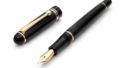
Why it makes a strong gift: The Custom 823 balances real luxury with real usability — a large-capacity vacuum-filling system and a 14K gold nib make it a pen someone will actually reach for daily, not just display.
What makes it Japanese: Pilot has manufactured fountain pens in Japan since 1918, and the Custom 823’s nib and filling mechanism reflect that long, specialized engineering history.
Key strengths:
- Vacuum filling system offers one of the largest ink capacities in this price range
- 14K gold nib reported to need little tuning out of the box
- Translucent body doubles as a visual ink gauge
Potential drawbacks: The vacuum mechanism requires more care when cleaning than a standard cartridge/converter pen.
Who should buy it: Someone giving a substantial, genuinely usable gift to a recipient who already appreciates fountain pens.
Typical occasion: Promotion, significant birthday, major milestone
Made in Japan status: Confirmed — manufactured by Pilot in Japan.
2. Pilot Custom Urushi — Best Luxury Writing Gift
Best for: A true heirloom-level statement gift
Why it makes a strong gift: At roughly $1,700, the Custom Urushi represents one of the clearest examples on this list of a gift built entirely around traditional craftsmanship — the ebonite body is lacquered, cured, and polished by hand over multiple sessions.
What makes it Japanese: Urushi lacquerwork is a centuries-old Japanese craft technique, and this pen’s finish is applied by maki-e artisans using the traditional Roiro method, tying it directly to that craft tradition rather than simply being an expensive pen.
Key strengths:
- Genuine hand-applied, hand-cured urushi lacquer finish
- Oversized 18K gold nib matched to the pen’s proportions
- Arrives in dedicated presentation packaging
Potential drawbacks: The price and ceremonial nature make this appropriate only for the most significant occasions and closest relationships.
Who should buy it: Someone marking a major life milestone for a recipient who will recognize and value traditional Japanese lacquer craftsmanship.
Typical occasion: Retirement, landmark anniversary, once-in-a-lifetime achievement
Made in Japan status: Confirmed — hand-lacquered by artisans in Japan.
3. Sailor King of Pen — Best for Collectors
Best for: Recipients who understand and follow fountain pen brands closely
Why it makes a strong gift: The King of Pen is Sailor’s flagship, built around the largest 21K gold nib the brand produces, in an oversized body roughly twice the diameter of Sailor’s standard 1911 line — a model widely recognized within the fountain pen community as a statement of prestige.
What makes it Japanese: Sailor, founded in 1911, remains one of Japan’s three major fountain pen manufacturers, and the King of Pen represents the top of its in-house nib engineering.
Key strengths:
- Largest gold nib in Sailor’s current lineup
- Oversized, well-balanced body
- Strong recognition and desirability specifically among collectors
Potential drawbacks: Its significance is largely lost on a recipient unfamiliar with fountain pen culture.
Who should buy it: Someone buying for a dedicated fountain pen collector who will recognize the model’s standing.
Typical occasion: Major milestone, retirement, collector-specific gift
Made in Japan status: Confirmed — manufactured by Sailor in Japan.
4. Premium Japanese Chef Knife (Tojiro DP Gyuto) — Best Gift for Home Cooks
Best for: A practical, high-quality gift for someone who cooks regularly
Why it makes a strong gift: The Tojiro DP line is widely regarded as one of the strongest values in Japanese knives, with a VG-10 steel core that offers real edge retention rather than just a “Japanese knife” label without the steel to back it up.
What makes it Japanese: Tojiro is based in Tsubame-Sanjo, Niigata — a region with a long-established reputation for blade and metalwork manufacturing.
Key strengths:
- VG-10 core steel offers strong edge retention
- Clad construction makes sharpening more approachable than a full VG-10 blade
- Consistent, well-reviewed fit and finish
Potential drawbacks: A knife gift requires knowing the recipient’s hand size and grip preference, or an exchange may be needed.
Who should buy it: Someone shopping for a home cook who already owns basic kitchen equipment and would appreciate an upgrade.
Typical occasion: Housewarming, wedding, milestone birthday
Made in Japan status: Confirmed — Tojiro manufactures in Japan.
For buyers looking for a more premium knife gift, the Sakai Takayuki 45-Layer Damascus Hammered WA Gyuto 210mm offers a 45-layer Damascus blade with an AUS10 core and a traditional Japanese wa handle. It is a stronger fit for milestone gifts or serious home cooks who want something more distinctive than an entry-level chef knife.
5. Japanese Knife + Whetstone Set — Best Practical Premium Gift
Best for: A complete, ready-to-use gift for a cooking enthusiast
Why it makes a strong gift: Pairing a knife with a whetstone (such as a King Deluxe 1000 or similar entry sharpening stone) turns a single tool into a complete system, signaling that the gift is meant for genuine long-term use and maintenance rather than a one-off purchase.
What makes it Japanese: Both components typically come from the same manufacturing regions responsible for Japan’s broader reputation in blade craftsmanship and sharpening stone production.
Key strengths:
- Addresses both the knife and its ongoing maintenance in one gift
- Signals more thoughtfulness than a knife alone
- Works well for recipients newer to Japanese knives who may not already own a sharpening stone
Potential drawbacks: Bundled sets vary widely in component quality — verify the specific knife and stone included before purchase.
Who should buy it: Someone giving a knife to a recipient who doesn’t already have proper sharpening equipment.
Typical occasion: Housewarming, wedding, holiday gift for a home cook
Made in Japan status: Varies by specific set — confirm both the knife and stone manufacturer before purchase.
6. Nambu Ironware — Best Traditional Home Gift
Best for: A recipient who appreciates traditional Japanese craft objects with daily function
Why it makes a strong gift: A Nambu tetsubin (cast iron kettle) is still largely hand-cast using sand or clay molds, a process requiring roughly a decade of training to be formally recognized as a master craftsman in the technique — and the resulting kettle is a genuinely functional item that improves the experience of boiling water for tea.
What makes it Japanese: Nambu ironware originates specifically from the Morioka and Mizusawa areas of Iwate Prefecture, with roots going back roughly 400 years, and was formally designated a national traditional craft of Japan in 1975.
Key strengths:
- Genuine hand-casting process using traditional sand or clay mold techniques
- Functional daily use (boiling water, tea preparation)
- Develops a distinctive patina and mineral scale (yuaka) with years of use
Potential drawbacks: Requires specific care (avoiding soap, thorough drying) to prevent rust, and higher-end artisan pieces can run well into hundreds of dollars.
Who should buy it: Someone who appreciates tea culture or traditional Japanese craft objects with genuine daily function.
Typical occasion: Wedding, housewarming, retirement
Made in Japan status: Confirmed for genuine Nambu ironware — production remains concentrated in Iwate Prefecture; verify the specific piece is genuine Nambu tekki rather than a generic cast iron import, since imitations exist.
7. Tsubame-Sanjo Copperware — Best Craftsmanship Gift
Best for: Someone who values visible, hand-executed metalworking craft
Why it makes a strong gift: Tsuiki hammered copperware is produced by hammering a single copper sheet hundreds of thousands of times to shape it into teapots, cups, or vases — Tsubame in Niigata Prefecture is, per craft documentation, the only remaining area in Japan producing copperware with this specific technique.
What makes it Japanese: This craft was designated a national traditional craft in 1981 and has roots in the Edo period, when artisans traveling from Sendai introduced hammering techniques to the region.
Key strengths:
- Genuinely hand-executed, labor-intensive technique unique to one Japanese region
- Copper surface develops an attractive patina with age and use
- Functional teaware and drinkware, not purely decorative
Potential drawbacks: Some contemporary pieces use copper sheet imported from South America, since the original local copper mine has closed — worth being transparent about, since the craft technique and labor remain genuinely Japanese even though the raw copper material may not originate domestically.
Who should buy it: Someone who values visible artisan craftsmanship in a functional object.
Typical occasion: Wedding, anniversary, housewarming
Made in Japan status: Confirmed for the craft and labor (Tsubame, Niigata); raw copper material sourcing varies and is not always domestic — this distinction is worth noting rather than treating “Made in Japan” as an absolute claim about every material in the piece.
8. Edo Kiriko — Best Decorative Gift
Best for: A visually striking gift with genuine cultural weight
Why it makes a strong gift: Edo Kiriko is intricately hand-cut glassware, with patterns cut into the glass surface using techniques passed down since the 19th century — pieces are reportedly used as diplomatic gifts by Japanese officials, reflecting the craft’s recognized prestige.
What makes it Japanese: Edo Kiriko originated in Tokyo (formerly Edo) in 1834 and is designated as both a national traditional craft and a traditional craft of Tokyo specifically.
Key strengths:
- Genuinely hand-cut, intricate geometric patterns
- Recognized cultural prestige, including use as diplomatic gifts
- Available in both everyday glassware (sake cups, tumblers) and higher-end decorative pieces
Potential drawbacks: Some Edo Kiriko craftsmen cut patterns into imported crystal glass blanks (from manufacturers such as Hungary’s Ajka) rather than Japanese-made glass — the cutting craft itself is genuinely Japanese and Tokyo-based, but the base glass material isn’t always domestic, so it’s worth checking for a specific piece.
Who should buy it: Someone who appreciates decorative craft objects and would use fine glassware regularly.
Typical occasion: Anniversary, retirement, housewarming
Made in Japan status: Confirmed for the cutting craft and labor (Tokyo); base glass material sourcing varies by workshop and piece — verify for the specific item.
9. Japanese Lacquerware — Best Traditional Gift
Best for: Someone interested in traditional Japanese tableware and design
Why it makes a strong gift: Genuine urushi lacquerware involves multiple layers of natural lacquer applied and cured by hand, a process that can take weeks to months depending on the piece and region.
What makes it Japanese: Several regions across Japan — including Wajima, Kishu, and Aizu — maintain distinct, protected lacquerware traditions with their own techniques and reputations.
Key strengths:
- Genuine urushi lacquer offers a distinctive depth of finish not replicated by synthetic coatings
- Functional as tableware (bowls, trays, chopsticks) as well as decorative pieces
- Regional traditions carry specific, verifiable craft heritage
Potential drawbacks: The market includes a wide range of quality, from genuine hand-lacquered pieces to mass-produced items using synthetic “lacquer-style” coatings — verifying genuine urushi content is essential before treating a piece as a premium gift.
Who should buy it: Someone specifically drawn to traditional Japanese design who will appreciate researching or asking about the piece’s regional origin.
Typical occasion: Wedding, housewarming, cultural-interest gift
Made in Japan status: Varies significantly — confirm the specific piece uses genuine urushi lacquer and identify its production region before treating it as an authentic traditional craft, since “Japanese lacquerware” is sometimes used loosely to describe synthetic-coated imitations.
10. Midori Brass Accessories — Best Professional Gift
Best for: A refined, understated gift for a professional desk
Why it makes a strong gift: Solid brass desk accessories — pen stands, rulers — are chosen specifically because they age visibly over years of handling, turning ordinary daily use into a gift that improves in character rather than simply wearing out.
What makes it Japanese: Midori’s brass accessories line is manufactured in Tokyo, and the brand is part of Japan’s broader, well-regarded stationery manufacturing tradition.
Key strengths:
- Solid brass construction offers genuine long-term durability
- Understated design suits professional office settings
- More accessible price point than the craft items on this list
Potential drawbacks: Requires occasional polishing if the recipient wants to slow the natural patina process.
Who should buy it: Someone buying a professional or business-appropriate gift that doesn’t carry the ceremonial weight of a fountain pen.
Typical occasion: Business gift, promotion, professional milestone
Made in Japan status: Confirmed — manufactured in Tokyo.
11. Japanese Tea Ware — Best Relaxation/Lifestyle Gift
Best for: Someone who enjoys tea or is interested in Japanese tea culture
Why it makes a strong gift: A well-made kyusu (Japanese teapot) is designed around specific functional details — fine built-in mesh strainers, spout angles calibrated for clean pouring — that a generic teapot doesn’t replicate.
What makes it Japanese: Regional ceramic traditions, including Tokoname and Banko ware, have centuries of specialization specifically in teaware, with clay composition chosen for how it interacts with tea flavor.
Key strengths:
- Functional daily-use item for tea drinkers
- Regional ceramic traditions carry genuine craft specialization
- Available across a wide price range, making it flexible for different budgets
Potential drawbacks: Quality and authenticity vary enormously across the market — confirm the specific ceramic region and maker before treating a piece as a premium gift rather than a generic import.
Who should buy it: Someone who already drinks tea regularly or has expressed interest in Japanese tea culture.
Typical occasion: Housewarming, relaxation-themed gift, cultural-interest gift
Made in Japan status: Varies significantly by maker and region — verify the specific product’s production origin before purchase.
Best Premium Japanese Gifts by Occasion
| Occasion | Recommended Gift |
|---|---|
| Promotion | Pilot Custom 823 |
| Retirement | Pilot Custom Urushi / Edo Kiriko |
| Wedding | Nambu Ironware / Japanese Lacquerware |
| Anniversary | Edo Kiriko |
| Business Gift | Premium Pen / Midori Brass Desk Accessory |
| Home Cook | Tojiro DP Chef Knife |
| Collector | Sailor King of Pen |
| Housewarming | Tsubame-Sanjo Copperware / Tea Ware |
Best Japanese Gift by Recipient
- Writer → Fountain pen (Custom 823 or Custom Urushi)
- Executive → Premium pen / Midori Brass desk accessory
- Home cook → Tojiro DP chef knife
- Design lover → Edo Kiriko / lacquerware
- Traditional craft lover → Nambu ironware / Tsubame-Sanjo copperware
- Collector → Sailor King of Pen
- Tea lover → Japanese tea ware
Frequently Asked Questions
What is the best premium Japanese gift?
The Pilot Custom 823 is a strong all-around choice — expensive enough to feel significant, while remaining a genuinely usable daily item for a recipient who already appreciates fountain pens.
What Japanese gift is good for a professional?
Midori’s brass desk accessories and premium fountain pens both work well in a professional context, offering understated quality without the ceremonial weight of a luxury item reserved for personal milestones.
What are good luxury gifts from Japan?
The Pilot Custom Urushi and Sailor King of Pen both represent the top tier on this list, alongside traditional crafts like Edo Kiriko and Tsubame-Sanjo copperware, which carry genuine artisan labor behind their price.
What Japanese gifts are actually made in Japan?
Several items here are fully confirmed as made in Japan, including the Pilot pens, Sailor King of Pen, Tojiro knives, Nambu ironware, and Midori brass accessories. For traditional crafts like Edo Kiriko and Tsubame-Sanjo copperware, the labor and technique are genuinely Japanese, though raw material sourcing sometimes varies — worth checking for the specific piece.
What is a good Japanese gift for a home cook?
A Tojiro DP chef knife, ideally paired with a whetstone, gives a home cook both a genuine upgrade and the means to maintain it long-term.
What Japanese gift is suitable for a retirement?
The Pilot Custom Urushi and Edo Kiriko both suit retirement gifts well, combining significant craftsmanship with the kind of lasting, display-worthy quality appropriate for marking the end of a career.
What premium Japanese gift is good for collectors?
The Sailor King of Pen is specifically recognized within fountain pen collector circles for its oversized 21K gold nib and flagship status, making it one of the most collector-relevant items on this list.
This article is an independent, research-based buying guide. Recommendations are based on published manufacturer and craft-region documentation rather than first-hand testing. Manufacturing origin and craft authenticity are confirmed where explicitly documented; where they vary by piece, model, or material sourcing, we’ve noted that rather than assuming a Japanese brand or craft name guarantees every component is made in Japan.
For more on the categories covered here, see our guides to best Japanese pens for gifts, best Japanese fountain pens, best Japanese chef knives, best Japanese chef knives under $100, best whetstones for Japanese knives, best Japanese kitchen gadgets, and best Japanese desk accessories.